
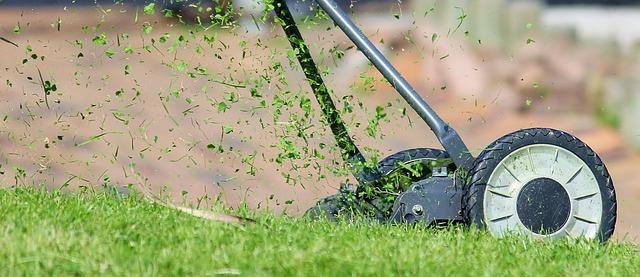
A lush, vibrant lawn doesn’t happen by chance; its the result of attentive care and proper maintenance.Among the many tasks that nurture a healthy yard, dethatching stands out as a vital yet often overlooked step. Timing is everything when it comes too dethatching – proceed too early or too late, and you risk damaging your grass or undermining its growth. So, when is the best time to dethatch your lawn to ensure it remains healthy, resilient, and green? Let’s explore the seasons, signs, and subtle cues that guide you toward the optimal moment for this crucial lawn care chore.
Table of Contents
- understanding the Science Behind dethatching and Lawn Health
- Seasonal Cues: Recognizing the Optimal Times to Dethatch
- Preparing Your Lawn: Tools, Techniques, and Precautions for Effective Dethatching
- Maintaining a Lush, Green Yard: Post-Dethatching Care and long-term Lawn Management
- Q&A
- The Conclusion
Understanding the Science Behind Dethatching and Lawn Health

- 2-IN-1 FUNCTION: Dethatch your lawn to remove thick thatch and allow your lawn to get more nutrients and sunlight. Scarify to cut grooves that improve water and air movement through the soil
- POWERFUL PERFORMANCE: The 13 Amp motor, gets up to 3700RPM. This gives adequate power to dethatch or scarify some of the toughest lawns
- 16” WIDE PATH: Equipped with 16“ dethatcher/scarifier attachments to tackle the job faster
- ADJUSTABLE HEIGHT: Tackle many levels of terrain with the 14-position height adjustment, ranging from -0.35” to 0.19" for the scarify attachment and -0.19” to 0.35” for the dethatcher attachment
- 12 GALLON COLLECTION BAG: Easily collect and dispose of lawn debris and thatch without manual raking


- QUICKLY SWEEP LEAVES & GRASS CLIPPINGS: 26-inch push lawn sweeper uses a spinning brush system to lift and collect leaves, grass clippings, and light yard debris—an efficient alternative to raking for routine lawn cleanup
- IDEAL FOR DRY DEBRIS ON LEVEL LAWNS: Designed for flat, well-maintained lawns and hard surfaces like sidewalks or patios—best used on dry leaves and clippings for optimal pickup performance
- SPINNING BRUSH ACTION FOR FAST CLEANUP: Rake-like brush system sweeps debris into the collection bag with up to ~80% pickup on the first pass, helping you cover more ground in less time
- LIGHTWEIGHT & EASY TO PUSH DESIGN: Durable yet lightweight construction with adjustable brush height allows for smooth maneuvering and easy control across your yard without heavy equipment
- NOT FOR WET, HEAVY, OR LARGE DEBRIS: Does not collect wet leaves, rocks, pinecones, nuts, or thick debris—this sweeper is built for light-duty yard maintenance, not heavy cleanup jobs
is key to knowing when to do it. Dethatching removes the thick layer of dead grass and roots that can build up on the soil surface. This layer blocks water, nutrients, and air from reaching the soil and roots beneath. When this layer gets too thick,it can lead to a weak,patchy lawn that struggles to stay green and healthy. Knowing how this layer impacts your grass helps you decide the best time to dethatch for optimal lawn health.
Healthy lawns thrive when soil is well-aerated and nutrients are accessible. Dethatching helps improve these conditions by breaking up compacted thatch and encouraging new grass growth. It’s especially useful if your yard experiences issues like water runoff or moss growth, which indicate problems with moisture absorption. Understanding these connections makes it easier to recognize the right timing for dethatching, ensuring your yard remains green and lush all season long.

Seasonal Cues: Recognizing the Optimal Times to Dethatch
- 2-IN-1 FUNCTION: Dethatch your lawn to remove thick thatch and allow your lawn to get more nutrients and sunlight. Scarify to cut grooves that improve water and air movement through the soil
- POWERFUL PERFORMANCE: The 13 Amp motor, gets up to 3700RPM. This gives adequate power to dethatch or scarify some of the toughest lawns
- 16” WIDE PATH: Equipped with 16“ dethatcher/scarifier attachments to tackle the job faster
- ADJUSTABLE HEIGHT: Tackle many levels of terrain with the 14-position height adjustment, ranging from -0.35” to 0.19" for the scarify attachment and -0.19” to 0.35” for the dethatcher attachment
- 12 GALLON COLLECTION BAG: Easily collect and dispose of lawn debris and thatch without manual raking
- QUICKLY SWEEP LEAVES & GRASS CLIPPINGS: 26-inch push lawn sweeper uses a spinning brush system to lift and collect leaves, grass clippings, and light yard debris—an efficient alternative to raking for routine lawn cleanup
- IDEAL FOR DRY DEBRIS ON LEVEL LAWNS: Designed for flat, well-maintained lawns and hard surfaces like sidewalks or patios—best used on dry leaves and clippings for optimal pickup performance
- SPINNING BRUSH ACTION FOR FAST CLEANUP: Rake-like brush system sweeps debris into the collection bag with up to ~80% pickup on the first pass, helping you cover more ground in less time
- LIGHTWEIGHT & EASY TO PUSH DESIGN: Durable yet lightweight construction with adjustable brush height allows for smooth maneuvering and easy control across your yard without heavy equipment
- NOT FOR WET, HEAVY, OR LARGE DEBRIS: Does not collect wet leaves, rocks, pinecones, nuts, or thick debris—this sweeper is built for light-duty yard maintenance, not heavy cleanup jobs
Understanding the right time to dethatch your lawn is key to promoting healthy grass growth.Typically, the best time is during periods of active growth, which allows your grass to recover quickly. In most U.S. regions,early spring or early fall are ideal because the weather is mild,and grass is naturally growing fast. During these times, the ground isn’t too hot or cold, reducing stress on your lawn after dethatching. Watching for signs like a spongy feel underfoot or a layer of thatch thicker than half an inch can help you determine if your lawn needs attention.Additionally, pay attention to your grass type and the season. Cool-season grasses, such as fescue or bluegrass, thrive when dethatched in early spring or fall. Warm-season grasses, like Bermuda or St.Augustine, do best with dethatching in late spring or early summer. Recognizing these seasonal cues can help you time your dethatching process perfectly, ensuring your lawn stays lush and green with minimal stress. Regularly checking your lawn’s thatch layer and considering seasonal weather are simple ways to keep your yard healthy without overdoing it.
Preparing Your Lawn: Tools, Techniques, and Precautions for Effective Dethatching
- 2-IN-1 FUNCTION: Dethatch your lawn to remove thick thatch and allow your lawn to get more nutrients and sunlight. Scarify to cut grooves that improve water and air movement through the soil
- POWERFUL PERFORMANCE: The 13 Amp motor, gets up to 3700RPM. This gives adequate power to dethatch or scarify some of the toughest lawns
- 16” WIDE PATH: Equipped with 16“ dethatcher/scarifier attachments to tackle the job faster
- ADJUSTABLE HEIGHT: Tackle many levels of terrain with the 14-position height adjustment, ranging from -0.35” to 0.19" for the scarify attachment and -0.19” to 0.35” for the dethatcher attachment
- 12 GALLON COLLECTION BAG: Easily collect and dispose of lawn debris and thatch without manual raking
- QUICKLY SWEEP LEAVES & GRASS CLIPPINGS: 26-inch push lawn sweeper uses a spinning brush system to lift and collect leaves, grass clippings, and light yard debris—an efficient alternative to raking for routine lawn cleanup
- IDEAL FOR DRY DEBRIS ON LEVEL LAWNS: Designed for flat, well-maintained lawns and hard surfaces like sidewalks or patios—best used on dry leaves and clippings for optimal pickup performance
- SPINNING BRUSH ACTION FOR FAST CLEANUP: Rake-like brush system sweeps debris into the collection bag with up to ~80% pickup on the first pass, helping you cover more ground in less time
- LIGHTWEIGHT & EASY TO PUSH DESIGN: Durable yet lightweight construction with adjustable brush height allows for smooth maneuvering and easy control across your yard without heavy equipment
- NOT FOR WET, HEAVY, OR LARGE DEBRIS: Does not collect wet leaves, rocks, pinecones, nuts, or thick debris—this sweeper is built for light-duty yard maintenance, not heavy cleanup jobs
Getting your lawn ready for dethatching starts with choosing the right tools. A dethatching rake with sharp,sturdy teeth works well for small areas. For larger lawns, a dethatching machine or power rake can save time and effort. Always inspect your equipment to ensure it’s in good condition before starting.Using the proper tool helps avoid damaging your grass or soil,making your dethatching safer and more effective.
Next, consider the technique and safety precautions. Dethatching should be done when the grass is actively growing-usually in spring or early fall. Be gentle to avoid pulling up healthy grass roots. Also,water your lawn beforehand; moist soil makes removing thatch easier. wear protective gear, like gloves and goggles, to prevent injuries. Proper preparation ensures a smooth, healthy process and a greener yard afterward.

Maintaining a Lush, Green Yard: Post-Dethatching Care and Long-term Lawn Management
- 2-IN-1 FUNCTION: Dethatch your lawn to remove thick thatch and allow your lawn to get more nutrients and sunlight. Scarify to cut grooves that improve water and air movement through the soil
- POWERFUL PERFORMANCE: The 13 Amp motor, gets up to 3700RPM. This gives adequate power to dethatch or scarify some of the toughest lawns
- 16” WIDE PATH: Equipped with 16“ dethatcher/scarifier attachments to tackle the job faster
- ADJUSTABLE HEIGHT: Tackle many levels of terrain with the 14-position height adjustment, ranging from -0.35” to 0.19" for the scarify attachment and -0.19” to 0.35” for the dethatcher attachment
- 12 GALLON COLLECTION BAG: Easily collect and dispose of lawn debris and thatch without manual raking
- QUICKLY SWEEP LEAVES & GRASS CLIPPINGS: 26-inch push lawn sweeper uses a spinning brush system to lift and collect leaves, grass clippings, and light yard debris—an efficient alternative to raking for routine lawn cleanup
- IDEAL FOR DRY DEBRIS ON LEVEL LAWNS: Designed for flat, well-maintained lawns and hard surfaces like sidewalks or patios—best used on dry leaves and clippings for optimal pickup performance
- SPINNING BRUSH ACTION FOR FAST CLEANUP: Rake-like brush system sweeps debris into the collection bag with up to ~80% pickup on the first pass, helping you cover more ground in less time
- LIGHTWEIGHT & EASY TO PUSH DESIGN: Durable yet lightweight construction with adjustable brush height allows for smooth maneuvering and easy control across your yard without heavy equipment
- NOT FOR WET, HEAVY, OR LARGE DEBRIS: Does not collect wet leaves, rocks, pinecones, nuts, or thick debris—this sweeper is built for light-duty yard maintenance, not heavy cleanup jobs
After dethatching, your lawn will need proper care to recover and stay healthy.Water it thoroughly to help the grass bounce back and encourage strong root growth. applying a balanced fertilizer can give your lawn essential nutrients, promoting vibrant green color and dense coverage.Keep foot traffic minimal during the first few weeks to prevent soil compaction and allow the grass to establish itself comfortably.
Long-term lawn management involves regular mowing, watering, and soil health monitoring. Use a mower that keeps grass at a healthy height, typically around 2.5 to 3 inches. Aerating once or twice a year can improve soil drainage and air circulation, reducing thatch buildup over time.Consider adding organic compost to boost soil vitality and ensure your lawn stays lush and resilient for seasons to come.
Q&A
Q: Why is dethatching vital for a healthy lawn?
A: Dethatching removes the thick layer of thatch-composed of dead grass, roots, and debris-that can build up between the soil and living grass. This process allows air, water, and nutrients to reach the roots more effectively, promoting a lush, green, and healthy lawn.
Q: When is the ideal time to dethatch my lawn?
A: The best time to dethatch varies depending on your grass type. For cool-season grasses like kentucky bluegrass, fescues, and ryes, early fall or early spring when the grass is actively growing is ideal. Warm-season grasses, such as Bermuda, Zoysia, and St.Augustine, benefit from dethatching in late spring through early summer when they are in their peak growing phase.
Q: How can I tell if my lawn needs dethatching?
A: Signs include a spongy feeling when walking on the lawn, standing water after rain, or noticing a meaningful buildup of thatch layers thicker than half an inch. Additionally, if your grass is struggling to grow or recover from foot traffic and pests, it may be time to dethatch.
Q: Are there any signs that I should avoid dethatching?
A: Yes. Avoid dethatching during periods of dormancy or stress, such as in extreme heat or cold, as the grass may not recover well. Also, if your lawn is newly established or very thin, it’s best to wait until it has matured sufficiently.
Q: Can I dethatch with a standard rake, or do I need specialized equipment?
A: For small lawns or light thatch buildup, a sturdy rake or thatch rake can suffice. Though, for thicker thatch layers or larger lawns, mechanical dethatchers or power dethatchers are more effective and efficient.
Q: What precautions should I take before dethatching?
A: It’s advisable to mow your lawn to about 1.5 to 2 inches to make dethatching easier, and water the lawn a day prior to soften the soil. Ensuring the ground is moist but not overly saturated can help prevent damage during the process.
Q: After dethatching, what steps should I take to ensure my lawn recovers healthy and green?
A: Reseed bare patches if necessary, apply a starter fertilizer to promote growth, and water consistently to help your lawn recover. Avoid heavy traffic on the lawn immediately after dethatching to allow the grass to establish.
Q: How often should I dethatch my lawn?
A: Typically, dethatching every 1 to 3 years is sufficient, depending on your lawn’s condition and grass type. Regular lawn care practices, like proper mowing and aeration, can help reduce the need for frequent dethatching.
Q: Is dethatching beneficial for all types of lawns?
A: While most lawns can benefit from dethatching, those with excessive thatch buildup or poor drainage especially gain from this process. Conversely, lawns with minimal thatch or sensitive turf may need less frequent dethatching or alternative maintenance methods.
Q: What is the best season to perform lawn dethatching for optimal results?
A: for cool-season grasses, fall and early spring provide ideal conditions, while for warm-season grasses, late spring to early summer allows the grass to recover and thrive post-dethatching for a vibrant, green yard.
Empower your lawn with timely dethatching, and enjoy the reward of a lush, emerald-green oasis that’s the envy of the neighborhood!
The Conclusion
As the final blades of thatch are removed and your lawn breathes a sigh of relief, you’ll be well on your way to a lush, vibrant green space. Timing is the secret ingredient-embrace the season that each grass type prefers, and your yard will thank you with vigorous growth and renewed health. Remember, dethatching isn’t just a task; it’s a step toward nurturing a thriving, picturesque landscape. So, mark your calendar, gather your tools, and let your lawn flourish under your mindful care. The perfect time is just around the corner-happy gardening!


